
Insurtech platforms can cut quote times in half and automate claims, yet customers still leave when they feel ignored or confused. The difference shows up
Yearly Archives: 2026
12 posts

Machine learning now sits inside the daily workflow of many claims teams. You feed it data from forms, photos, and notes, and it returns faster decisions w

APIs let your policy system pull data, push updates, and trigger actions in other tools without writing new code for each connection. Most teams now start
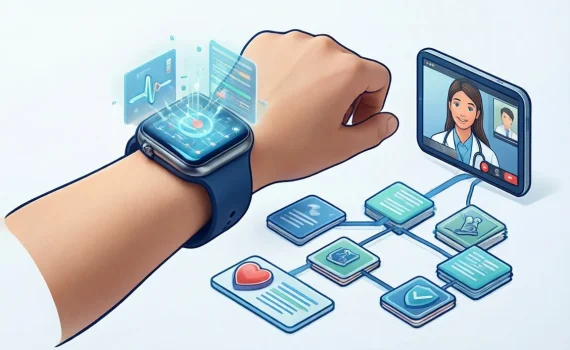
Health insurers already test wearables, telemedicine visits, and data-driven plans with real members. You can see the impact on your next renewal if you kn

Start with your policy administration system. Most legacy carriers still run core processing on mainframes that handle 70 percent of their book. Map those

AI now processes the bulk of data that used to sit in queues for days. You feed it the right inputs, it scores the file, and you get a decision flag before
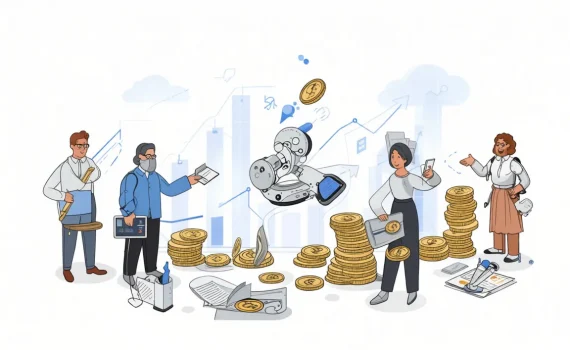
In 2025 the cash goes to teams that ship measurable savings in claims or underwriting within months, not years. Broad platforms have cooled. Focused tools

Open insurance lets carriers expose policy and claims data through secure APIs. You decide which apps or services can pull that data, and carriers gain way

Blockchain appears in insurance when companies need a shared record that multiple parties can trust without constant back-and-forth. You see it most often

Parametric insurance releases money when a defined measurement crosses a set threshold, such as rainfall totals or wind speed. That structure cuts the dela