Blockchain in Insurance: Real-World Use Cases Beyond the Hype
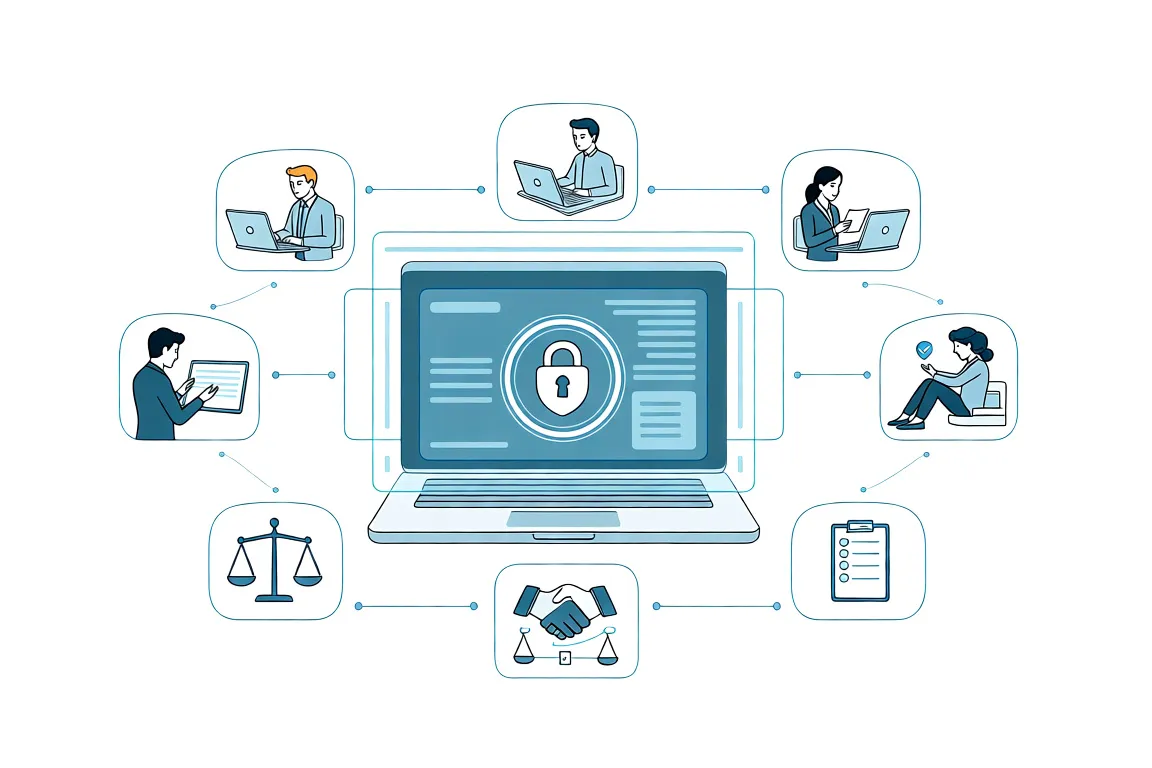
Blockchain appears in insurance when companies need a shared record that multiple parties can trust without constant back-and-forth. You see it most often in claims, reinsurance, and usage-based policies. The pattern stays simple: data lands on a ledger once, every authorized party reads the same version, and rules written in code trigger the next action.
Claims That Move Faster
Traditional auto claims still pass through repair shops, police reports, and multiple adjusters. On a blockchain, the same data points feed a smart contract that releases payment once conditions match. One European insurer tested this on a small fleet of delivery vans. After an accident the telematics unit posted speed and location to the ledger. The contract compared that data against the policy rules and sent the payout to the repair shop within four hours instead of the usual five days.
You can start small. Pick one product line, agree on the data fields everyone will accept, then write the contract rules in plain language first before any code gets written.
Reinsurance Settlements Without Extra Rounds
Reinsurers and primary carriers keep separate ledgers today. Each quarter they reconcile differences through spreadsheets and emails. A shared ledger replaces that loop. Both sides see premium and claim entries the moment they are posted. When totals cross an agreed threshold the contract issues an automatic transfer.
- One Asian reinsurer and two local carriers ran a pilot on catastrophe covers last year. Reconciliation time dropped from three weeks to two days.
- Disputes fell because every entry carried a timestamp and digital signature visible to the group.
Usage-Based Coverage for Fleets and Homes
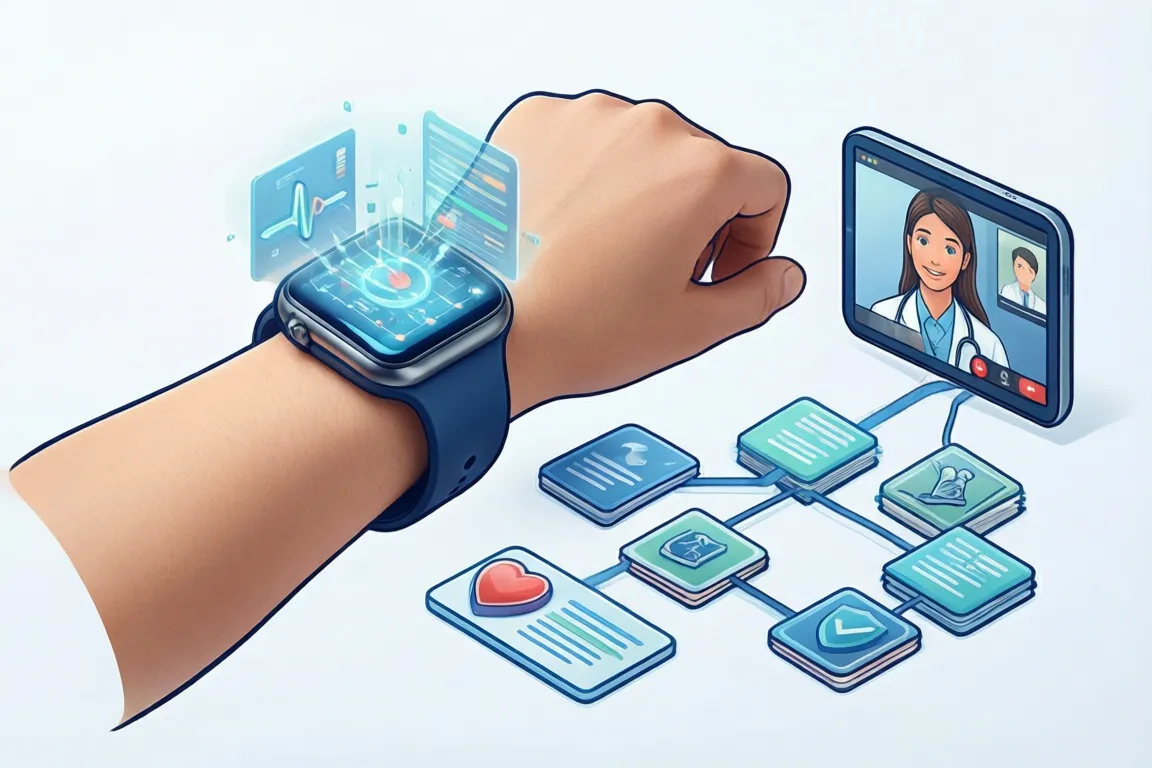
Insurers already collect driving or home sensor data. Blockchain lets the policyholder, insurer, and third-party data provider all read the same feed without one party hosting everything. A simple table shows how the pieces line up:
| Trigger | Data Source | Action |
|---|---|---|
| Monthly mileage under limit | Vehicle telematics | Discount applied next period |
| Water leak detected | Home sensor | Alert sent and small payout released |
| Speeding event above threshold | GPS unit | Premium recalculated for next month |
If you run the pilot, begin with the data fields that already exist in your current system. Add the ledger layer only after the data quality and rules are stable. That order keeps the project from turning into a technology showcase.